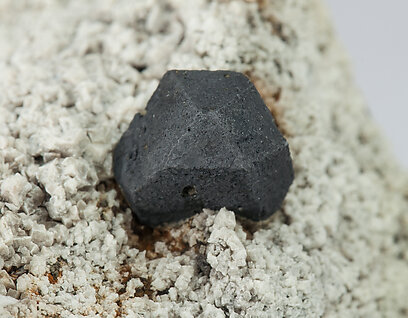
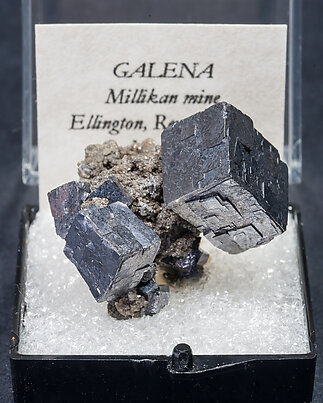
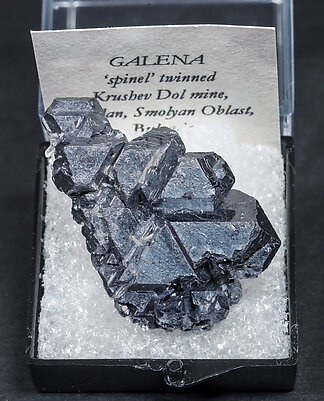
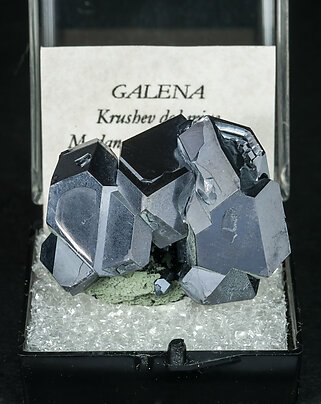
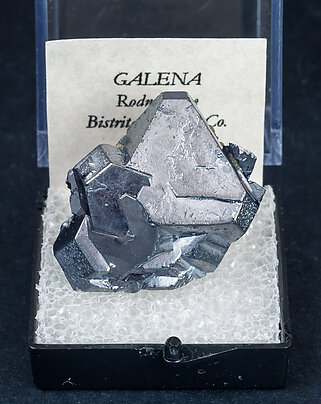
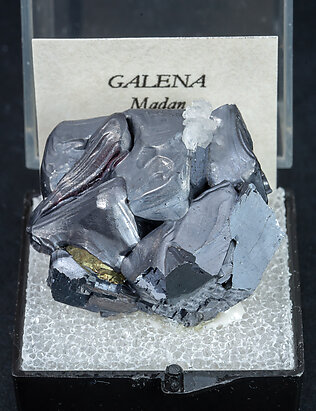
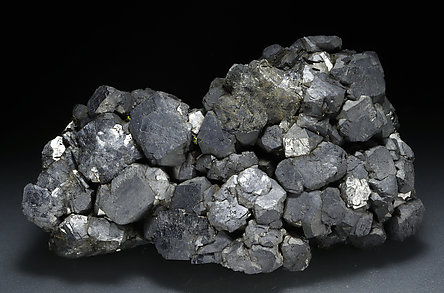
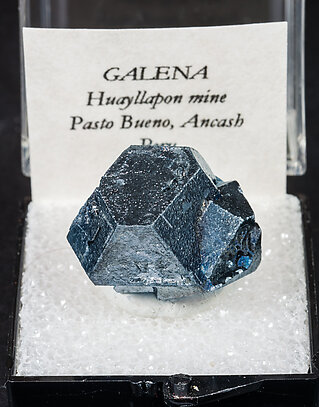
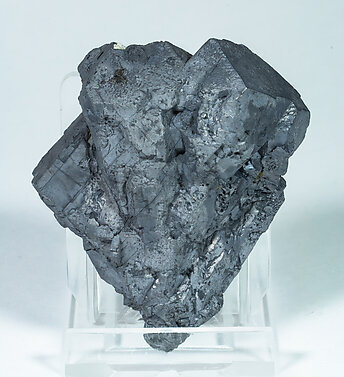
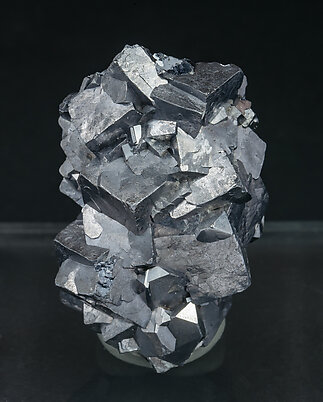
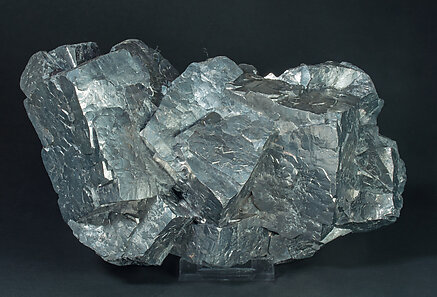
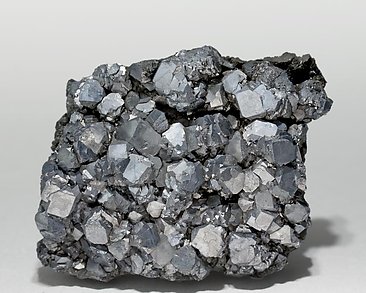
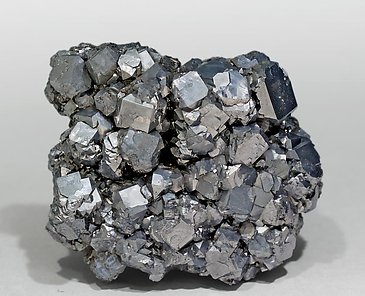
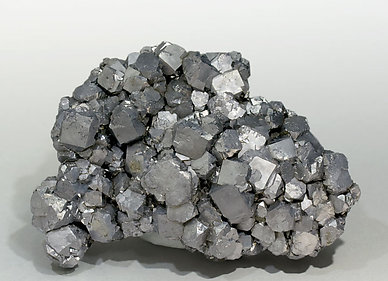
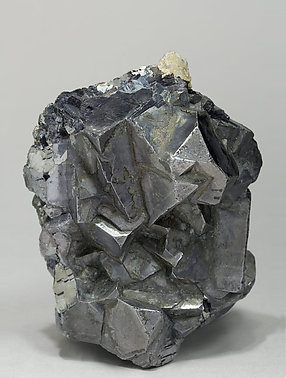
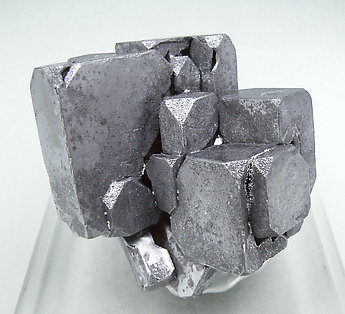
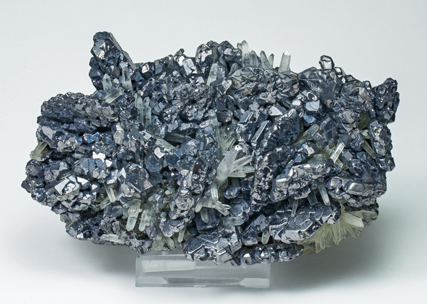
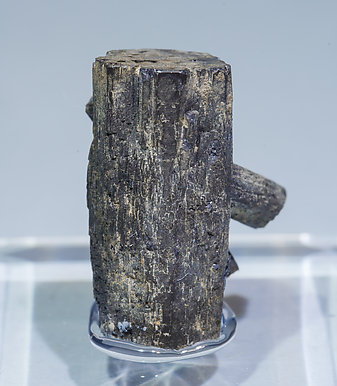
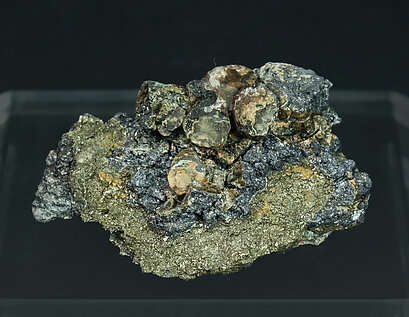
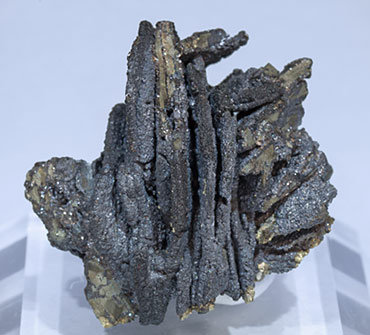
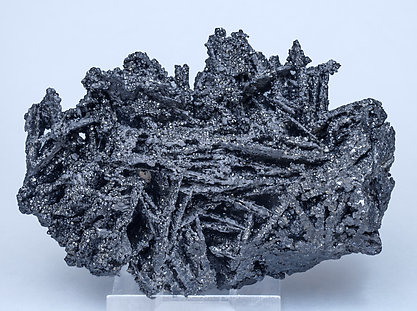
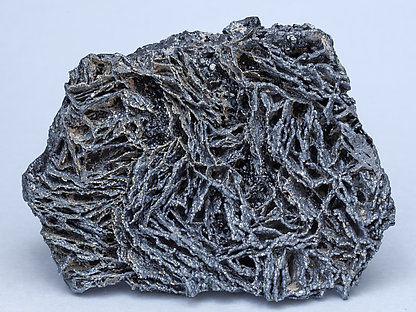
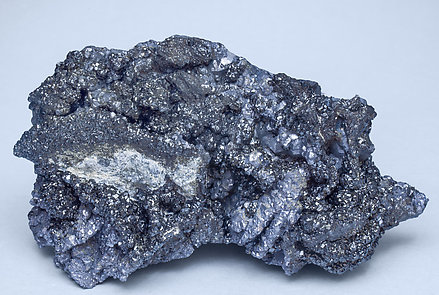
Group of crystals with good definition and well-developed faces, arranged in an aesthetic way on the matrix, with a very airy growth that enhances their individuality and gives lightness to the whole.
The Rampgill Mine is An important historic lead mine located in the Nenthead mining district, one of the classic mining areas of northern England. Active since at least the 18th century, it was one of the most extensive and productive mines in the region, developed along major veins such as the Rampgill vein and related structures.
Geologically, the mineralization is hosted in Carboniferous rocks, mainly within the ‘Great Limestone’, one of the most mineralized horizons of the Alston Moor orefield. These rocks are cut by a network of mineralized faults with dominant ENE–WSW and NNW–SSE trends, controlling the development of veins and replacement bodies (‘flats’) in the limestone host rocks.
The paragenesis is complex and characteristic: early cavity formation was followed by Quartz and Sphalerite, then Fluorite and Galena, and later by barium and carbonate minerals such as Baryte, Witherite and Barytocalcite, with widespread replacement processes and pseudomorphs between these species.
Rampgill Mine, Hardshin Flats sector, Nenthead, Alston Moor mining district, North Pennines Orefield, former Cumberland, Cumbria England / United Kingdom
Specimen size: 6.2 × 5.6 × 3 cm = 2.44” × 2.20” × 1.18”
|